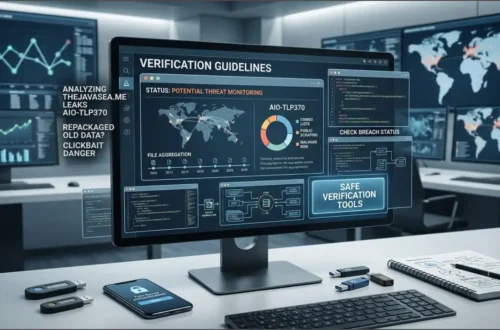

Cybersecurity tracking platforms and forum monitoring tools regularly pick up specific terms linked to digital dockets and unverified files. A notable reference circulating across online discussions and privacy forums is thejavasea.me leaks aio-tlp371.
When a distinct phrase like this gains traction in search results, it usually points to an archived file set, an grey market forum listing, or a mirrored media collection. Understanding what this specific file label signifies, how these file distributions operate, and the serious safety and legal concerns involved is crucial for anyone navigating web privacy today.
What Does thejavasea.me leaks aio-tlp371 Actually Mean?
When you break down this string, you see how underground forums name and organize digital file archives:
-
thejavasea.me: Web communities recognize this domain as a forum and file-sharing index. Operators in this space frequently swap top-level domain extensions or use aggressive mirroring tactics to maintain active search rankings despite DMCA notices and registrar takedowns.
-
leaks: This tag indicates that uploaders acquired, distributed, or mirrored the bundled material without authorization from the original creators or account owners.
-
aio-tlp371: File-sharing networks use the acronym AIO for “All-In-One,” which represents a compressed collection of bundled items. Uploaders borrow the letters TLP from cybersecurity standards—where Traffic Light Protocol classifies sensitive data—and attach the trailing digits 371 as a specific batch or version number.
When searchers enter thejavasea.me leaks aio-tlp371, they are usually tracking a specific indexed archive that third-party file lockers have mirrored across multiple servers.
The Mechanics of Online File Bundles and Unverified Repositories
Aggregator forums that host listings with release tags like aio-tlp371 rely on decentralized distribution channels. Recognizing how these platforms operate explains why exploring them carries inherent danger.
First, uploaders assemble loose media, private files, or scraper outputs into consolidated compressed archives using software like ZIP or RAR. Standardizing names with terms like aio-tlp371 makes bulk file distribution easier to track for forum members while complicating automated scanning efforts by search indexers.
Second, the main indexing site rarely stores the large archives directly on its primary web server. Instead, thejavasea.me leaks aio-tlp371 searches typically lead to third party file lockers, temporary cloud drives, or multi stage ad portals. These intermediate pages force visitors through multiple landing screens designed to maximize pageviews and ad revenue.
Third, these platforms monetize visitor intent through aggressive web practices. Users looking for thejavasea.me leaks aio-tlp371 often encounter forced browser redirects, deceptive pop-ups prompting system updates, and aggressive download prompts.
Technical and Security Threats of Unverified Dumps
Attempting to locate or download archives connected to thejavasea.me leaks aio-tlp370 introduces significant digital risks.
Hidden Malware Payloads
Compressed collections are widely used to hide malicious software. Threat actors regularly place infostealers, trojans, or executable scripts alongside regular file formats. By disguising an executable file with a double extension trick, an unsuspecting user attempting to view a media file inside the aio-tlp371 archive can unintentionally run code that steals saved browser credentials, financial details, or active session tokens.
Phishing and Identity Exploitation
Websites promoting thejavasea.me leaks aio-tlp371 frequently require visitors to create forum accounts or complete verification steps. These sign-up gateways often serve as credential harvesting traps designed to capture emails and passwords that visitors reuse across other services.
Legal Concerns and Non-Consensual Material
Searching for and downloading unauthorized file bundles can carry severe legal consequences. Many archives distributed under leak labels contain copyrighted property or non-consensual personal material. Under United States federal and state laws, acquiring, possessing, or sharing non-consensual intimate imagery or stolen copyrighted assets exposes individuals to criminal liability and civil enforcement.
Structural Comparison Between Verified and Unverified File Sources
| Parameter | Verified Content Infrastructure | Unverified Aggregators like thejavasea.me |
| Content Origin | Direct from verified owners or platforms | Scraped, shared without consent, or unverified |
| File Safety | Automated server side malware checking | Frequent exposure to trojans, scripts, and trackers |
| Legal Standing | Compliant with copyright and privacy standards | High vulnerability to DMCA and privacy violations |
| Monetization | Standard subscriptions or transparent ads | Deceptive redirects, pop-unders, and link shorteners |
| Data Integrity | Complete, untampered original files | Risk of corrupted data, fake archives, or payload bundles |
Defensive Actions for Personal Privacy and Online Safety
Whether you are auditing whether your own information was referenced in an online archive or seeking to protect your devices from dangerous file redirects, proactive digital security practices are vital.
Essential Device Safeguards
-
Always configure your desktop operating system to show full file extensions so disguised executable files are visible immediately.
-
Never download compressed folders from unverified redirect links or forum listings claiming to offer free access to premium or leaked media.
-
Ensure real time anti-malware software remains active on your device to scan incoming files automatically.
-
Utilize strong unique passwords alongside hardware or authenticator app based multi-factor authentication across all accounts.
Removal Steps If Your Information Is Compromised
If you suspect your personal data or images have been improperly packaged within an archive linked to thejavasea.me leaks aio-tlp371, take systematic action:
-
Document the exact web addresses and page titles without downloading or spreading the archive files further.
-
Submit formal removal requests directly to Google and Bing using their respective non-consensual explicit content or personally identifiable information takedown tools.
-
Issue DMCA and privacy removal notices directly to the hosting provider or file locker service storing the physical bundle.
-
For non-consensual personal media, utilize official privacy platforms like StopNCII or the Take It Down service provided by the National Center for Missing and Exploited Children to help hash and suppress image distribution across participating networks.
Summary of Online Search Safety
Keywords such as thejavasea.me leaks aio-tlp371 highlight the persistent challenges surrounding digital privacy, file distribution networks, and online security. While curiosity or data monitoring often leads users to search for specific release tags, opening unverified archive bundles exposes users to malware infection, identity theft, and serious legal exposure. Maintaining strict browser security, avoiding unverified download sources, and utilizing legitimate takedown processes remain the most reliable ways to manage online privacy effectively.
SEO Title: